
 See Our Latest Article on HelloNation
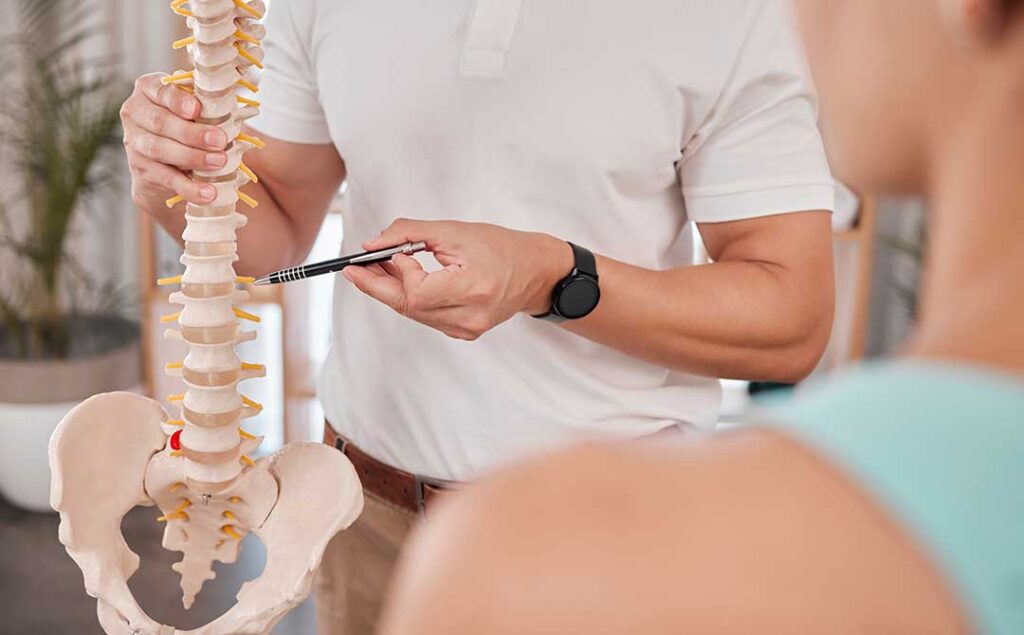
Chiropractic adjustments are one tool athletes may use to manage certain musculoskeletal problems, especially back and neck discomfort, restricted joint movement, and some activity-related aches. They are not a replacement for strength training, rehabilitation, medical evaluation, sleep, or appropriate training-load management.
For athletes in Lake Grove, NY, the practical question is not whether adjustments are universally beneficial. It is whether a specific technique, used for a specific problem, fits safely into a broader plan for returning to activity and staying active.
What does a chiropractic adjustment do?
A chiropractic adjustment, also called spinal manipulation in clinical research, uses a controlled manual force to a joint. The goal may be to improve short-term movement, reduce pain sensitivity, or make a stiff area feel less restricted.
Adjustments are different from “putting bones back into place.” The spine and other joints are not generally being physically realigned from a permanently displaced position. Benefits, when they occur, are more accurately described as changes in joint motion, muscle response, and pain perception.
Research is strongest for some types of low-back pain, where spinal manipulation may provide modest improvements in pain and function. Evidence is more limited for claims that adjustments directly improve athletic performance, prevent all injuries, or speed healing of every sports condition. ([nccih.nih.gov](https://www.nccih.nih.gov/health/spinal-manipulation-what-you-need-to-know?utm_source=openai))
Which athletes might consider an adjustment?
An adjustment may be considered when an athlete has a movement-related complaint that appears appropriate for conservative care. Examples can include:
- Mild or nonspecific low-back pain
- Stiffness after repetitive training
- Limited movement in the spine or certain extremity joints
- Discomfort associated with altered movement patterns
- Short-term soreness during a return-to-training program
The type of sport matters. A runner may notice symptoms after a rapid increase in mileage, while a tennis player, swimmer, cyclist, or field-sport athlete may experience repetitive loading in different regions. Seasonal changes can also affect routines. In a community where athletes move between indoor training, outdoor recreation, and winter conditions, abrupt changes in activity level may contribute to stiffness or overload.
An adjustment is less likely to be the main answer for a torn ligament, fracture, significant tendon injury, infection, nerve compression, or a condition requiring surgery. Those problems need appropriate medical assessment rather than repeated manipulation.
Can adjustments improve athletic performance?
There is not strong evidence that routine adjustments make a healthy athlete faster, stronger, or more coordinated by themselves. A person may feel looser or move more comfortably after treatment, but that subjective improvement is not the same as a measurable performance gain.
Any performance benefit is more likely to be indirect. If temporary pain or restricted motion is interfering with a squat, swing, stride, or overhead movement, reducing that limitation may help the athlete participate in prescribed exercise. The lasting improvement still depends on rehabilitation, technique, conditioning, and gradual exposure to sport demands.
A balanced sports-care plan usually addresses:
- Strength and control around the affected area
- Mobility where a genuine restriction exists
- Warm-up and recovery habits
- Training volume, intensity, and rest days
- Footwear, equipment, and playing-surface demands
- Sleep, hydration, and adequate nutrition
Sports medicine guidance emphasizes coordinated care and attention to injury prevention, recovery, workload, and return-to-play decisions rather than relying on a single treatment. ([acsm.org](https://acsm.org/behind-the-team/?utm_source=openai))
Are adjustments useful after a sports injury?
Sometimes, but timing and diagnosis matter. An adjustment should not be used to mask symptoms so an athlete can continue competing through a potentially serious injury.
For a minor mechanical back complaint, a clinician may include manual therapy as one part of a short-term plan. Exercise and progressive activity are usually important because they help restore strength, tolerance, and confidence. For chronic or acute low-back pain, spinal manipulation is considered one of several non-drug options, not a uniquely superior treatment. ([nccih.nih.gov](https://www.nccih.nih.gov/health/spinal-manipulation-what-you-need-to-know?utm_source=openai))
An athlete should receive prompt medical evaluation for symptoms such as:
- Inability to bear weight or use a limb normally
- Severe swelling, deformity, or sudden loss of strength
- Numbness, progressive weakness, or loss of coordination
- Loss of bladder or bowel control
- Fever, unexplained weight loss, or severe night pain
- Head injury, confusion, repeated vomiting, or worsening headache

Neck manipulation deserves particular caution after a collision, fall, or whiplash-type event. Sudden neck movement has been associated with rare but serious vascular complications, and research remains unsettled about whether manipulation causes these events. A careful history and risk assessment are essential. ([nccih.nih.gov](https://www.nccih.nih.gov/health/spinal-manipulation-what-you-need-to-know?utm_source=openai))
What should an athlete expect during an evaluation?
A responsible evaluation should begin with questions about the injury, training schedule, previous conditions, medications, neurological symptoms, and any recent trauma. The examination may include posture, joint motion, strength, reflexes, balance, and sport-specific movements.
The treatment plan should also explain what an adjustment is intended to accomplish and how progress will be measured. Useful questions include:
- What is the working diagnosis?
- What other treatments could help?
- Should exercise be added or modified?
- What activities should be limited temporarily?
- What symptoms would require medical reassessment?
- How will return to practice or competition be judged?
A clicking or popping sound is not proof that a joint was corrected, and the absence of a sound does not mean treatment failed. Improvement should be judged by function, symptom behavior, movement quality, and tolerance for training.
Are chiropractic adjustments safe for athletes?
Most reported side effects are temporary, such as local soreness, stiffness, headache, or a short-lived increase in discomfort. Serious complications are rare, but they have been reported. Risk may be higher when an athlete has an underlying health condition, recent trauma, bone weakness, neurological symptoms, or other factors that have not been disclosed. ([nccih.nih.gov](https://www.nccih.nih.gov/health/spinal-manipulation-what-you-need-to-know?utm_source=openai))
Athletes should share information about recent concussions, fractures, surgeries, blood-clotting problems, osteoporosis, inflammatory disease, cancer history, and medications. Children and teenagers also require age-appropriate assessment, especially when growth plates, repetitive throwing, or collision sports are involved.
Treatment should be reconsidered if symptoms consistently worsen, function declines, or improvement lasts only briefly without addressing the underlying training or rehabilitation issue.
How can local athletes use adjustments responsibly?
For residents and families in Lake Grove, the most practical approach is to view chiropractic adjustments as an optional component of musculoskeletal care rather than a complete injury-prevention system. Begin with a clear problem, use the least intensive approach that is appropriate, and pair any short-term symptom relief with progressive exercise and sensible training changes.
Athletes often benefit most when communication is shared among the relevant members of the care team, particularly after a significant injury or when symptoms affect school, work, sleep, or competition. A treatment that improves comfort but does not restore strength, coordination, and sport tolerance should not be treated as a full recovery.
