
 See Our Latest Article on HelloNation
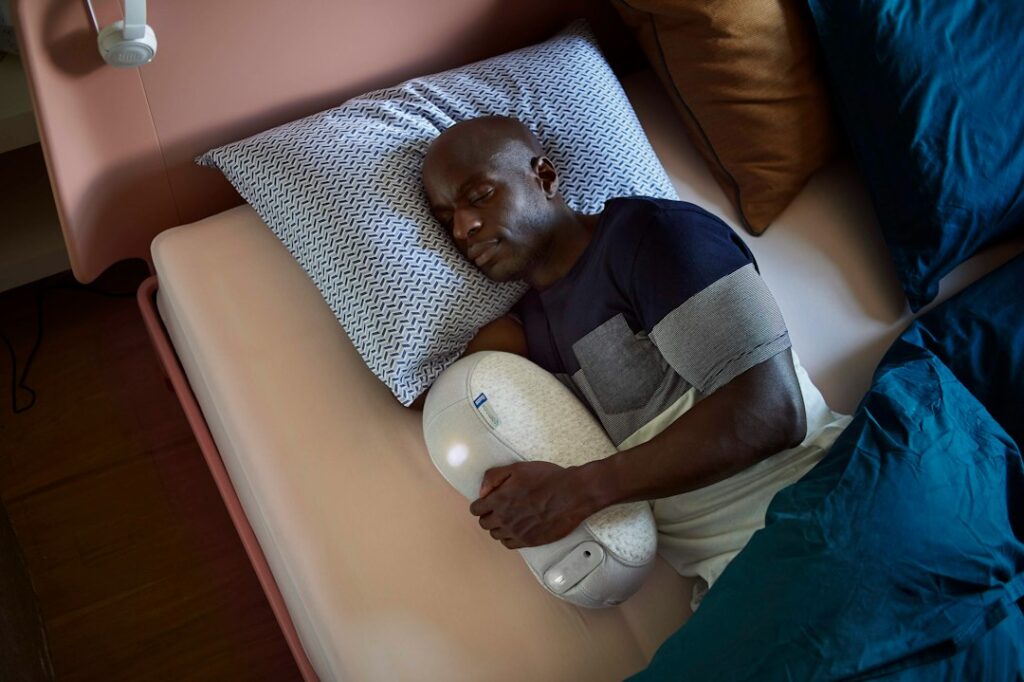
Chronic back pain can make it difficult to fall asleep, stay asleep, or find a comfortable position after waking during the night. The most helpful approach is usually a combination of body positioning, supportive sleep habits, gentle daytime movement, and attention to symptoms that may require medical evaluation.
Which sleeping position is usually easiest on the back?
For many people, sleeping on the back with a pillow under the knees reduces strain on the lower spine. The pillow slightly bends the hips and knees, which can help the back rest in a more neutral position.
Side sleeping can also be comfortable. Place a pillow between the knees so the top leg does not pull the pelvis forward. Keeping the head supported so the neck remains level with the rest of the spine may reduce additional tension.
A small number of people sleep more comfortably on the stomach, but this position can increase arching in the lower back and twisting in the neck. If stomach sleeping is the only position that allows rest, placing a thin pillow under the hips and lower abdomen may reduce pressure. A thinner head pillow can also limit neck rotation.
There is no single “correct” position for everyone. The best position is the one that allows the spine to remain reasonably supported without increasing pain, numbness, or tingling.
How can pillows provide better support?
Pillows are useful when they fill gaps and prevent the body from rotating during sleep. They are not intended to force the spine into a rigid position.
Try these arrangements:
- Back sleeping: Place one pillow under the knees. A small rolled towel may support the natural curve of the lower back if that feels comfortable.
- Side sleeping: Put a firm pillow between the knees and, if needed, between the ankles. A body pillow can prevent the upper leg from falling forward.
- Changing positions: Keep an extra pillow within reach so support can be adjusted without repeatedly getting out of bed.
- Neck alignment: The head pillow should keep the nose roughly aligned with the center of the body rather than tilted sharply upward or downward.
If a pillow increases pain, causes numbness, or creates stiffness that lasts well into the morning, it may not be the right height or firmness.
Does the mattress need to be firm?
A mattress does not need to be extremely firm to support the back. Excessive firmness can create pressure at the shoulders and hips, especially for side sleepers. A mattress that is too soft may allow the pelvis to sink and the lower back to twist.
Instead of focusing on a label such as “firm” or “orthopedic,” notice whether the sleep surface:
- Keeps the hips and shoulders supported
- Prevents the midsection from sinking deeply
- Allows comfortable turning
- Does not leave pressure-related soreness
- Provides similar support across the areas where the body rests
A sagging mattress can contribute to poor positioning, but replacing it is not always the first step. A temporary adjustment, such as changing pillow placement or adding a supportive layer, may help identify whether the sleep surface is part of the problem.
What should be done before going to bed?
The hour before bedtime should reduce physical and mental stimulation. Chronic pain can make people tense their back muscles without realizing it, particularly after a demanding day of sitting, lifting, driving, or household work.
A calm pre-sleep routine may include:
- A brief walk at an easy pace
- Gentle mobility exercises that do not increase symptoms
- A warm shower or comfortably heated compress
- Slow breathing with relaxed abdominal muscles
- Reading in a supportive chair rather than remaining in bed while fully awake
Avoid aggressive stretching immediately before sleep if it causes soreness or makes symptoms travel into the leg. The goal is to reduce guarding and stiffness, not to force greater flexibility.
Residents of Lake Grove may also notice seasonal differences. Cold outdoor temperatures, snow clearing, and more time spent indoors can lead to increased stiffness during winter. Warming up gradually before shoveling, taking movement breaks during indoor tasks, and avoiding prolonged sitting can make nighttime comfort easier to maintain.
What if back pain wakes someone during the night?
If pain causes nighttime waking, avoid making sudden movements from a twisted position. Roll onto the side first, use the arms to help push up, and keep the legs moving together when getting out of bed.

Before returning to sleep, try a small adjustment rather than completely changing the sleep setup. For example, add a pillow under the knees, place one between the legs, or briefly walk around the room. Remaining in bed while repeatedly tensing against pain can make it harder to settle.
If discomfort is accompanied by numbness, burning, or symptoms traveling below the knee, note the pattern and position that triggered it. This information can help a qualified clinician assess whether the problem involves nerve irritation, joint sensitivity, muscle tension, or another condition.
Can daytime habits improve nighttime sleep?
Yes. Sleep quality is affected by what happens during the day. Long periods of sitting can increase stiffness, while avoiding all activity may reduce strength and confidence in movement.
Helpful habits include:
- Changing position every 30 to 60 minutes when possible
- Taking short walks rather than remaining seated for long stretches
- Using proper lifting technique and keeping loads close to the body
- Building activity gradually instead of doing strenuous tasks only on weekends
- Supporting the feet and lower back during desk or household work
- Stopping an exercise that causes sharp, spreading, or progressively worsening pain
For chronic back pain, treatment plans commonly emphasize movement, strengthening, education, and other non-drug approaches. Chiropractic care may be one part of a broader plan for some individuals, but sleep problems should not be treated as a positioning issue alone if pain remains persistent or disabling.
When is nighttime back pain a warning sign?
Back pain that is simply worse after lying still is not automatically dangerous. However, prompt medical evaluation is appropriate when pain is severe, rapidly worsening, or associated with other concerning symptoms.
Seek urgent care for back pain accompanied by:
- New loss of bladder or bowel control
- Numbness in the groin or inner thighs
- Significant weakness in one or both legs
- Fever, unexplained weight loss, or feeling seriously ill
- Pain after a major fall or collision
- A history of cancer, serious infection, or conditions that weaken the bones
Pain that repeatedly wakes a person, does not improve with reasonable self-care, or continues for several weeks also deserves evaluation. Chronic pain often responds better when the underlying pattern is assessed rather than managed only with repeated changes to pillows or mattresses.
A practical starting point is to test one change at a time for several nights: adjust knee or hip support, reduce prolonged evening sitting, add gentle movement, and record what improves or worsens symptoms. That approach makes it easier to identify useful habits without turning bedtime into another source of trial and error.
