
 See Our Latest Article on HelloNation
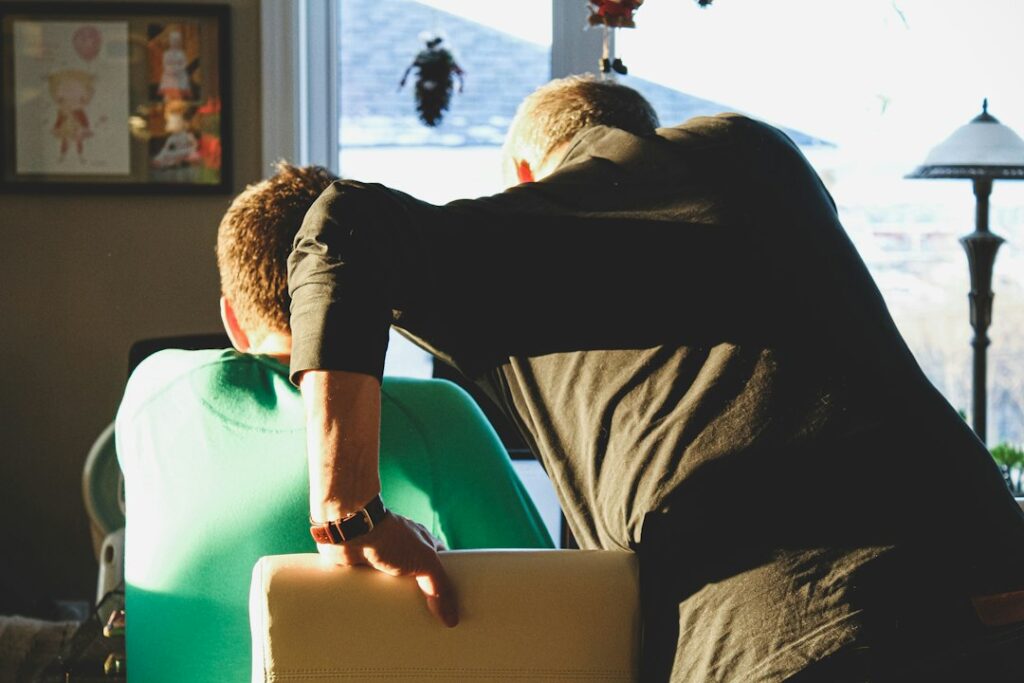
Stress and back pain often occur together, but the relationship is more complex than simply saying that stress “causes” pain. Emotional strain can increase muscle tension, alter sleep, change movement habits, and make existing discomfort feel more intense. At the same time, ongoing back pain can create worry, frustration, and poor sleep, forming a cycle that is difficult to break.
For residents of Lake Grove, NY, this connection may become especially noticeable during demanding work periods, long commutes, household responsibilities, winter inactivity, or the physical tasks that come with maintaining a home.
Can stress cause back pain?
Yes. Stress can contribute to back pain by keeping muscles partially contracted for long periods. The shoulders may rise, the abdominal muscles may brace, and the muscles along the spine may remain tense without the person realizing it.
This sustained tension can lead to:
- Aching in the lower or upper back
- Muscle tightness or spasms
- Stiffness after sitting
- Tenderness around the shoulders and neck
- Pain that worsens by the end of the day
- A feeling of fatigue or heaviness in the back
Stress does not mean the pain is imaginary. Muscle tension is a physical response, and the discomfort is real. Stress may be one contributing factor among several, including lifting, prolonged sitting, reduced activity, previous injury, or an underlying medical condition.
Why does stress make existing back pain feel worse?
Stress can affect the way the nervous system processes pain. When a person feels threatened, worried, or overwhelmed, the body becomes more alert. This can increase muscle guarding and make ordinary movements feel less comfortable.
Stress also changes attention. A person who is concerned about back pain may monitor every sensation closely, avoid normal movement, or anticipate that a certain activity will hurt. That protective response can lead to more stiffness and less confidence in moving.
Sleep is another important factor. Poor sleep can reduce the body’s ability to recover from daily physical demands. It may also lower tolerance for discomfort, so the same back problem can feel more severe after several nights of inadequate rest.
What habits connect stress with back pain?
Stress often affects behavior in ways that place additional strain on the back. Common examples include:
- Sitting for long periods without changing position
- Working from a couch, kitchen table, or poorly adjusted workstation
- Skipping regular movement because of fatigue
- Rushing while lifting laundry baskets, boxes, groceries, or household items
- Clenching the abdominal, shoulder, or back muscles
- Sleeping in an awkward position after a restless night
- Spending more time on phones or computers with the head and trunk bent forward
In a community where many households combine desk work, driving, caregiving, and home maintenance, these patterns can accumulate. The back may not be injured by one dramatic event; instead, discomfort may build gradually as tension and reduced movement continue.
How can someone tell whether stress is contributing?
Stress may be part of the picture when back pain:
- Appears during emotionally demanding periods
- Increases with poor sleep or persistent worry
- Improves somewhat with gentle movement, warmth, or relaxation
- Occurs along with jaw clenching, headaches, shoulder tension, or fatigue
- Shifts in intensity from day to day without a clear new injury
- Feels worse after prolonged sitting or concentration
These clues do not prove that stress is the only cause. A careful health assessment may still be needed, particularly when pain is persistent, recurring, or interfering with normal activities.
What practical steps may help at home?
The goal is not to eliminate every source of stress. A more realistic approach is to reduce physical tension and maintain comfortable movement throughout the day.
Try the following:
- Change positions regularly. Stand, walk briefly, or adjust posture every 30 to 60 minutes during desk work or driving.
- Use comfortable support. A chair should allow the feet to rest on the floor and the lower back to remain supported without forcing a rigid posture.
- Practice slow breathing. A few minutes of relaxed breathing, with a longer exhalation than inhalation, may help reduce general muscle bracing.
- Use gentle movement. Walking, easy mobility exercises, or other familiar low-impact activities can help prevent stiffness. Avoid movements that sharply increase pain.
- Apply warmth carefully. Heat may relax tight muscles for some people. Protect the skin and avoid falling asleep on a heating device.
- Improve sleep conditions. A consistent sleep schedule and a comfortable, supportive sleeping position may help the back recover.
- Break large tasks into smaller steps. Rushing through cleaning, snow-related chores, moving objects, or yard work can increase strain.
- Notice tension early. Check whether the shoulders are raised, the teeth are clenched, or the stomach and back are braced. Relaxing these areas several times a day can reduce accumulated tension.

Chiropractic care may be one part of a broader plan for certain musculoskeletal back problems, but it should not replace medical evaluation when symptoms suggest nerve involvement, serious injury, or another health condition. Treatment decisions should be based on the individual’s symptoms, medical history, and physical findings.
Can exercise help stress-related back pain?
Regular physical activity can support both stress regulation and back function. Walking is often a practical starting point because it is gentle, accessible, and easy to divide into short periods. Strengthening and mobility exercises may also be useful, but the appropriate choices depend on pain severity, current fitness, and any medical conditions.
Exercise should generally be introduced gradually. A sudden return to heavy lifting, intense stretching, or demanding workouts may aggravate symptoms. Persistent pain, pain that travels down a leg, or weakness should be evaluated before beginning a more strenuous program.
When is back pain a warning sign?
Stress should not be used to explain away symptoms that may require prompt medical attention. Seek urgent medical care for back pain accompanied by:
- New loss of bladder or bowel control
- Numbness around the groin or inner thighs
- Significant weakness or numbness in both legs
- Severe pain after a fall, collision, or other injury
- Fever, chills, or feeling unusually ill
- Rapidly worsening pain
- Unexplained weight loss or a history of cancer
- Pain that is severe at night or does not improve with rest
These symptoms can have causes unrelated to stress and should be assessed promptly.
What is the most useful way to think about the stress-pain connection?
Stress-related back pain is best understood as a two-way interaction. Stress can increase tension, disrupt sleep, and change movement habits. Back pain can then create more stress, reduce activity, and make sleep harder.
Addressing both sides is usually more helpful than focusing only on the painful area. Comfortable movement, better work and household habits, adequate sleep, relaxation skills, and appropriate medical or musculoskeletal evaluation can each play a role. Recognizing the connection does not dismiss the pain; it provides more possible ways to understand it and manage it safely.
